Presenter Profile
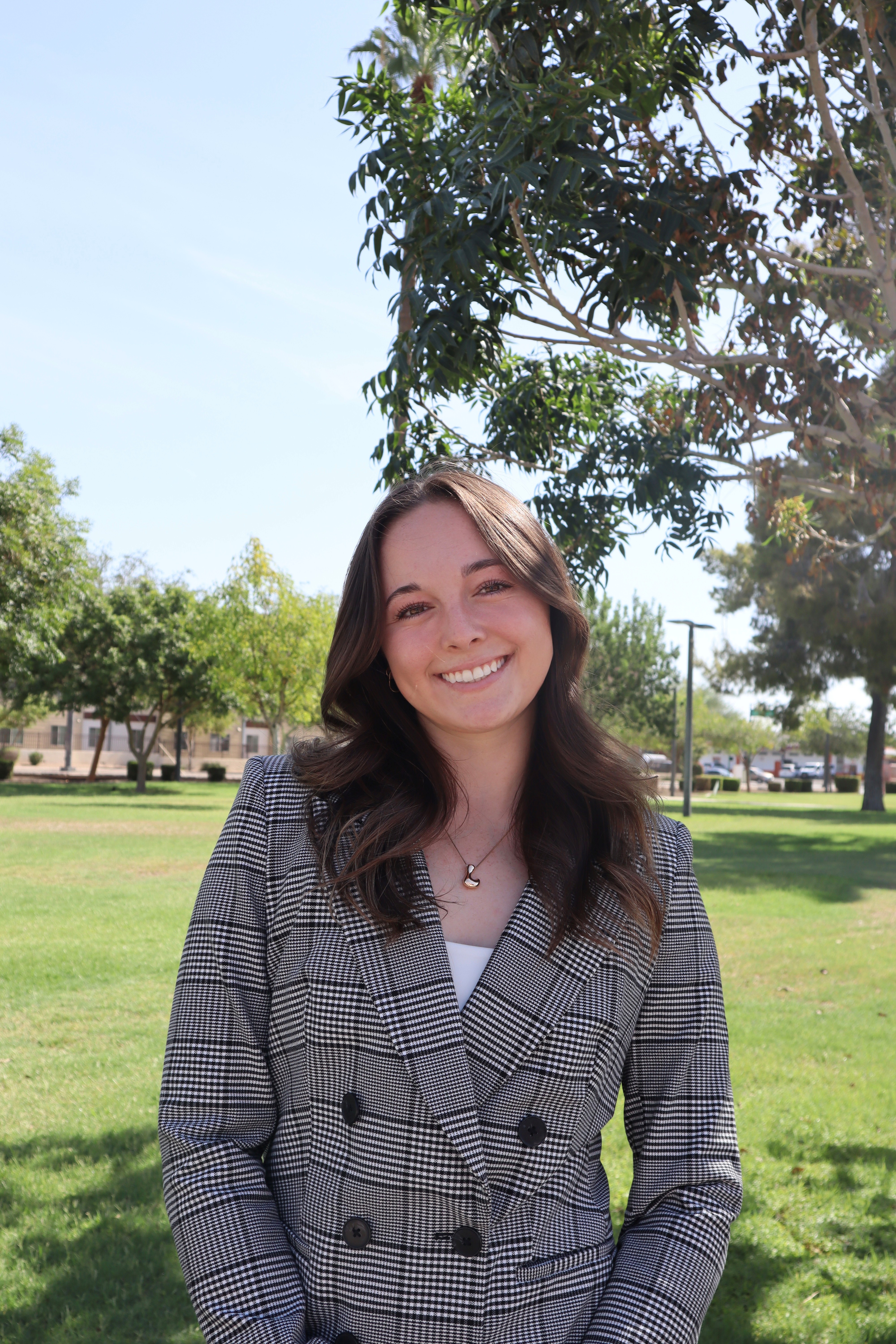
Lexi Benner
Injury Prevention Specialist, Phoenix Children's
lbenner@phoenixchildren's.com
Lexi Benner is an Injury Prevention Specialist at Phoenix Children’s, where she focuses exclusively on water safety and drowning prevention. She’s developed program training curriculum and implementation processes, helping expand community-based water safety initiatives through partnerships with organizations across Arizona. She builds and maintains partnerships that increase access to water safety education and resources, delivers community education classes, and works to reduce childhood drowning through evidence-based prevention strategies. Outside of her professional role, Lexi enjoys hiking and spending time outdoors with friends and family.
Presentations
Expanding Access to Water Safety Resources in Rural Communities
Lexi Benner
Drowning is the leading cause of death among children ages 1-4 in the United States, with Arizona experiencing drowning rates twice the national average. While most of Arizona’s population resides within the Phoenix metropolitan area, much of the state consists of rural communities where access to water safety education and drowning prevention resources is limited. These geographic and resource disparities highlight the need for targeted water safety interventions aimed at families living in underserved rural regions.
The Dive into Water Safety program was developed to expand access to drowning prevention education for families in rural Arizona through partnerships with local home visitors and parent educators. These professionals routinely provide guidance on child development and injury prevention, positioning them to effectively deliver water safety education within their communities.
The program was launched across multiple rural Arizona counties in June 2025. Participating sites that had previously completed water safety training were selected to receive additional instruction on program implementation and education delivery. Site enrollment continued throughout early 2026 to further expand the program’s reach across the state, with data collected from July 1, 2025, through April 30, 2026.
A brief educational video and resource materials were provided to teach families strategies for keeping children safe in and around water. Educational messaging, informed by contributing risk factors identified through the Arizona Child Fatality Review Report, emphasized active adult supervision, and layered protection strategies. Following participation, families received preventive safety items, including vest-style life jackets, door alarms, and educational handouts, to reinforce key water safety practices.
Data were collected using pre- and post-surveys administered by staff before and after participants viewed the educational video. Frequencies were analyzed to evaluate survey results. Survey measures included demographics, caregiver confidence in swimming in 6-foot-deep water, supervision practices, and life jacket use.
Through targeted outreach efforts, sites in twelve out of the fifteen Arizona counties enrolled in the program. Within the first year of implementation, 229 caregivers participated in the educational program, resulting in 200 complete data sets and the distribution of 332 life jackets.
Among the 200 complete data sets, 122 caregivers (61%) reported awareness of their child’s drowning risk and the importance of water safety practices. Reported life jacket use increased by 49% from pre- to post-surveys. Additionally, 99.5% of participants reported that they would maintain the same level of supervision while their child wore a life jacket, reinforcing the importance of active supervision alongside water safety practices.
Results demonstrated increased caregiver knowledge and confidence regarding water safety practices following participation. The educational intervention positively influenced caregiver beliefs related to supervision, life jacket use, and strategies to reduce drowning risk among young children.
Participant feedback indicated favorable reception of the educational materials and resources provided. Overall, the program demonstrated the feasibility and impact of expanding evidence-based drowning prevention education and resources to rural communities across Arizona.
1. Examine the importance and statewide need for water safety education across Arizona.
2. Describe the implementation of a community-based drowning prevention education program in rural communities.
3. Highlight a partnership model involving home visitors and parent educators to deliver and expand evidence-based drowning prevention education.